Markets U59
Freezer Disruptions Hit Supermarkets in Five European Countries
Refrigeration failures affected grocers in Belgium, Ireland, Sweden, Finland and Estonia, prompting food removals and renewed scrutiny of older control systems.
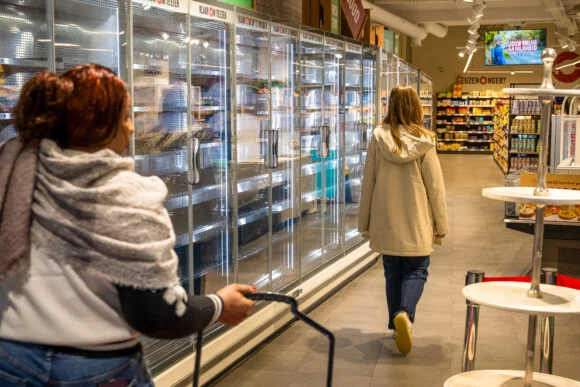
Supermarket refrigeration systems became a point of operational risk across five European countries on Monday, after grocers reported sudden temperature changes and suspected cyber incidents. The disruptions affected stores in Belgium, Ireland, Sweden, Finland and Estonia, with some retailers removing chilled and frozen products from sale. The scale varied sharply by chain, and the cause remains unconfirmed in several cases.

The reports follow a larger incident in France last month, when around 700 stores experienced refrigeration failures attributed to cyberattacks. That episode disabled equipment and left retailers discarding damaged food. The recurrence raises questions for grocery operators about how refrigeration controls are connected, maintained and monitored, while the latest reports do not establish a single cause or responsible party.
Store impacts vary by retailer
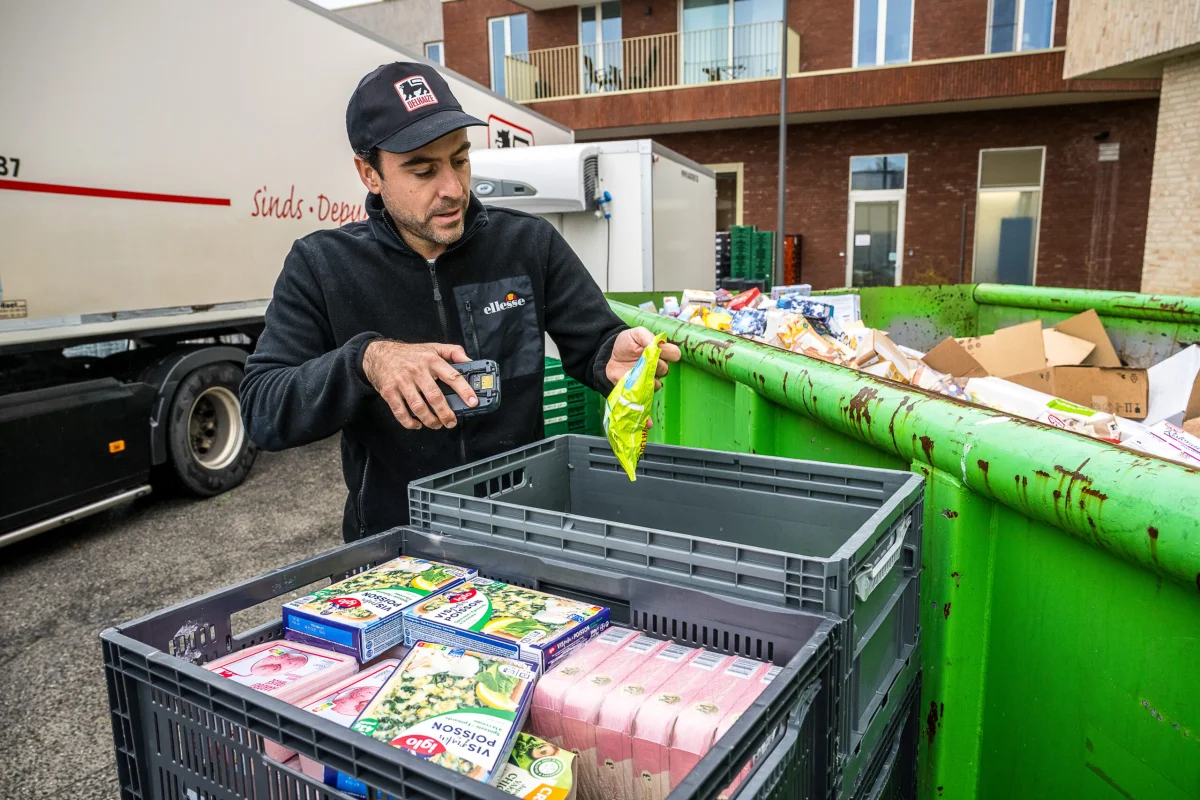
In Belgium, Ahold Delhaize said an “IT incident” affected refrigeration systems at a number of its Delhaize stores overnight on Sunday. Carrefour Belgium reported that 15 of its 700 outlets were affected. Spar said refrigeration systems in around five of its stores were hit. Each figure describes a portion of the retailer’s estate, but the available accounts do not specify how long the affected equipment was disrupted or how much food had to be discarded across Belgium.

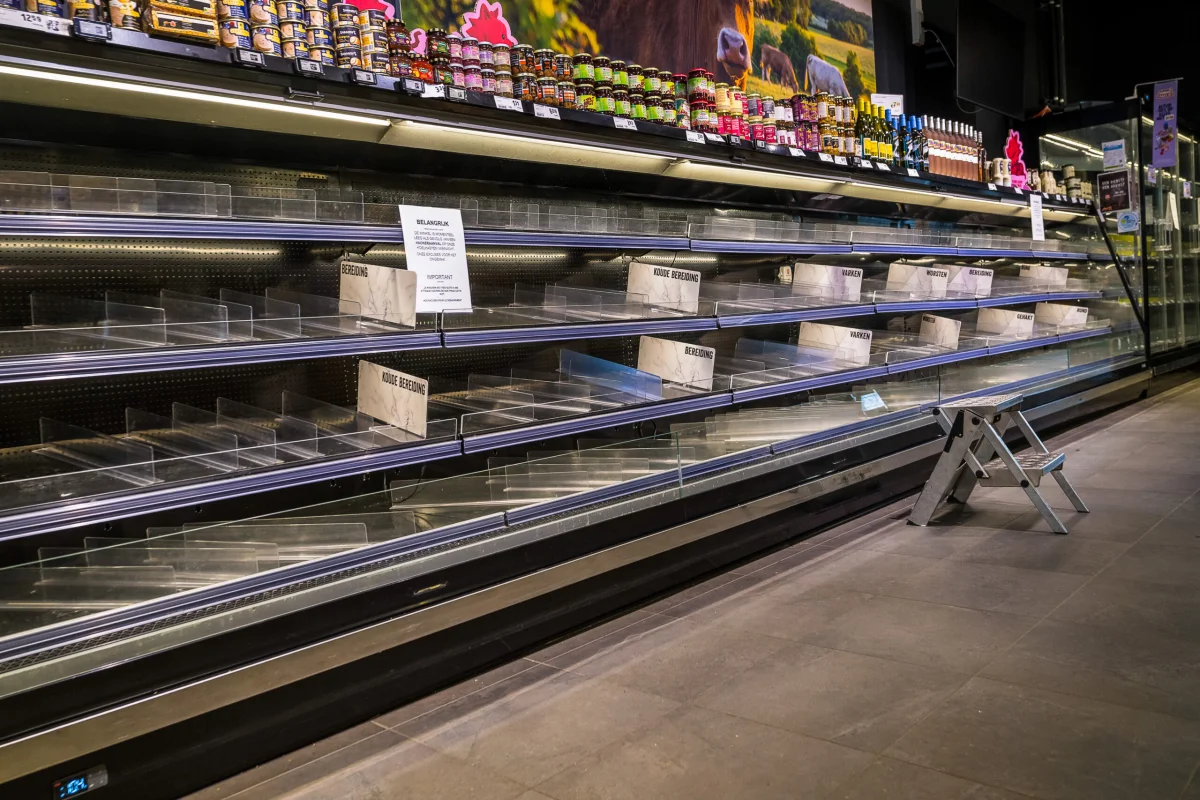
In Ireland, Musgrave Group said a cyber incident affected refrigeration systems at 13 SuperValu sites. Chilled and frozen products at those locations were taken off sale as a precaution. That decision protects customers from food that may have been stored outside safe conditions, but it also creates immediate costs: stock must be assessed and replaced, and stores may lose sales while shelves remain empty.
Swedish chains ICA and Coop also reported elevated freezer temperatures. ICA Sverige said a limited number of stores were affected overnight and were receiving support, without confirming that a cyberattack had occurred. At ICA Kvantum in Sjöbo, the store said on its Facebook page that freezer temperatures had risen to 50C (122F) and that it suspected a hack. Coop confirmed a hack affecting seven stores.

In Finland, some refrigeration equipment at a few smaller K-food stores recorded “temperature anomalies overnight,” according to Petri Käyhkö, Kesko’s head of corporate security. Kesko began investigating after automated alerts arrived and employees entered the stores in the morning. Käyhkö said an IT-related incident had not been ruled out, but described the issue as limited to a couple of smaller locations. Their equipment falls outside Kesko’s centralized safeguards.
Estonia’s Selver reported a problem at its only store still using an older type of Danfoss refrigeration control system. The issue was fixed within minutes, a spokesperson told local broadcaster ERR. The incident shows how the equipment in use can differ even within one chain, and how that may shape both exposure and recovery time.

Older systems and unresolved cause
Danfoss, the Danish refrigeration systems maker, said the incidents across Europe involved its products, as did the October episode in France. That identifies a common equipment supplier, but does not by itself explain how the disruptions occurred. If the latest events were cyberattacks, older software that cannot be patched may have left some controls vulnerable. The source accounts do not establish whether the affected systems shared a technical weakness.
The French episode provides a recent comparison in scale: around 700 stores were affected, including outlets operated by Intermarché, Coopérative U and Carrefour. No group has publicly claimed responsibility for that incident. Ahold Delhaize also experienced days of service outages and empty shelves at its stores in the Netherlands last month, but the company has not said what caused that disruption. Whether the French and Dutch events are connected to Monday’s refrigeration problems is not established.
For grocers, a refrigeration interruption can become a supply and inventory problem quickly. Staff must identify affected units, judge how long products may have been outside required temperatures, and decide what can safely remain available. Where equipment is isolated from centralized monitoring, a store may have fewer safeguards to detect or contain a problem. Automated alerts can speed discovery, though they cannot restore refrigeration or resolve uncertainty about the condition of food.
The immediate financial effects depend on the number of sites involved, the duration of outages, the value of spoiled inventory and the pace of restocking. The reported store counts offer only a partial measure: none of the accounts provides a consolidated estimate of food losses, repair costs or lost sales. For customers, the visible effect is reduced availability; for employees, the incident means extra checks, disposal and operational work.
The reports also leave a central question open: whether the incidents stemmed from deliberate access, equipment faults or another shared cause. Retailers’ differing descriptions reflect that uncertainty, from confirmed hacks at Coop to investigations where an IT incident remains only one possibility. The next useful indicators will be clearer findings on cause, the number of sites requiring repairs, and whether operators can extend centralized safeguards to equipment now outside their coverage.