Economy U49
APCIA Develops Claims Data Template as Insurers Face Scrutiny Over Unpaid Claims
APCIA is working on shared claims categories to clarify why claims close without payment, as insurers face questions about their data and practices.

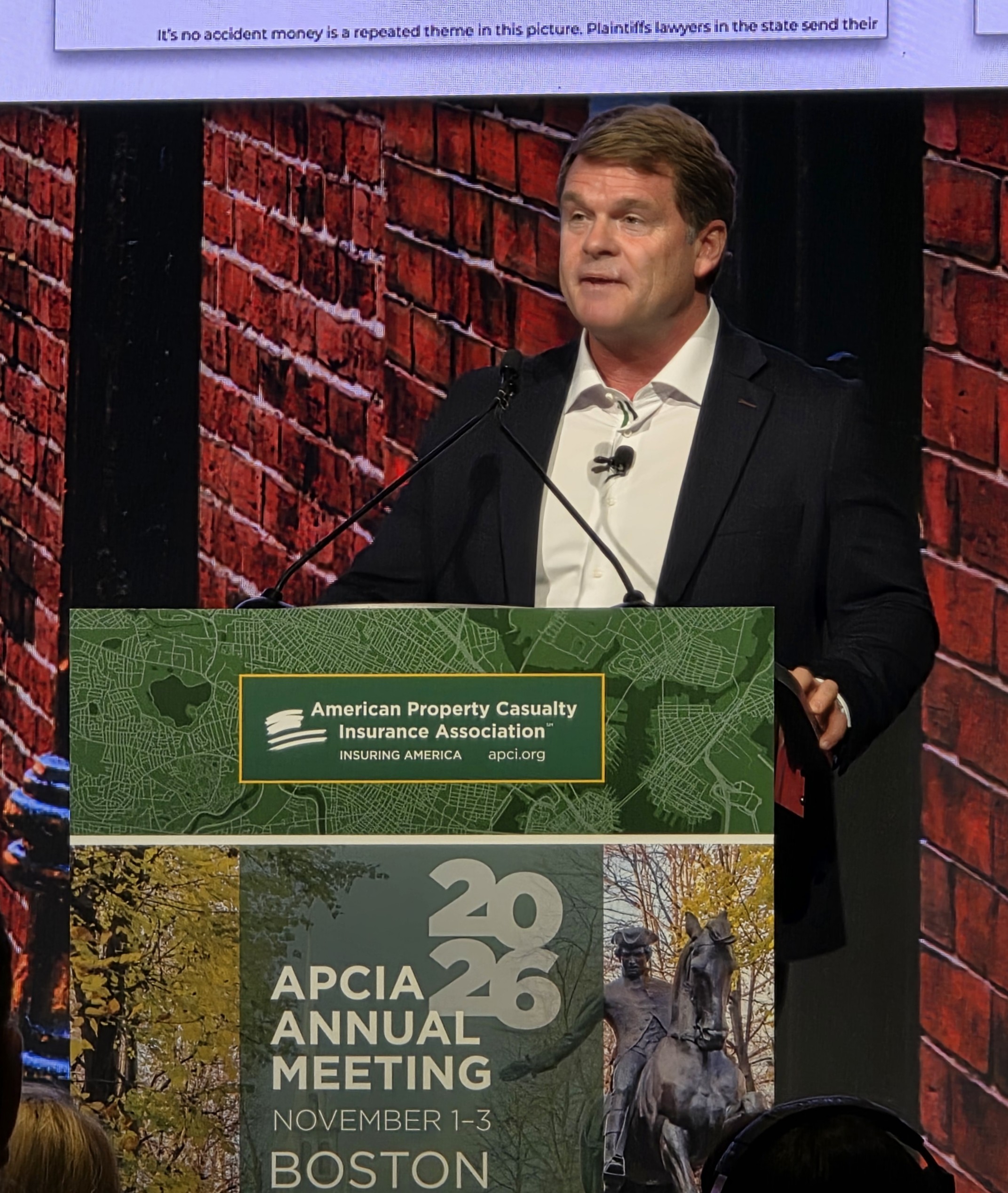
Insurance companies face a credibility challenge when claims data can’t clearly distinguish a coverage denial from other reasons a claim closes without payment. At the American Property Casualty Insurance Association’s annual meeting in Boston, board chair David Bell said the industry is developing a shared data template to make those outcomes easier to explain and compare.

Bell, president and CEO of ALPS Corp., said the lack of consistent definitions leaves insurers poorly equipped to respond when broad claims figures attract attention. A number that groups different outcomes together can suggest that policyholders routinely fail to receive coverage, even when the underlying reasons for closure vary. APCIA’s planned template is intended to bring more consistency to how those outcomes are recorded.
Different outcomes can look alike in a headline
The debate sharpened after Wall Street Journal reporting on auto claims and homeowners claims. The publication said its analysis found that a concerning share of claims went unpaid. Two public officials followed up by writing to some of the largest insurers to request claims data.

Bell took issue with the way a headline framing claims payment as a “coin flip” can compress complicated results into a stark judgment. “When provocative headlines suggest that getting an insurance claim paid is essentially a coin flip, our industry must be able to respond with clear, credible and unambiguous facts,” he said.
His point is that a claim closed with no payment does not necessarily mean an insurer denied coverage. Different circumstances can produce that recorded outcome, and the source account doesn’t specify the full set of reasons. If insurers classify those circumstances differently, a comparison across companies—or a single industrywide figure—may combine unlike cases. The resulting statistic can be easy to repeat while leaving readers without enough detail to assess what happened.

That gap matters to policyholders trying to understand how coverage works, as well as to insurers whose performance is being judged against aggregated figures. Shared categories could make data more interpretable, but only if companies apply them consistently and explain what each category includes.
A data standard also raises questions of accountability
APCIA is developing a standardized template for collecting data on claims closed without payment. Bell said the goal is to establish consistent definitions and coding, reducing the risk that materially different outcomes are reported under the same label. The article gives no timetable for the template, nor does it describe its proposed categories or say whether insurers have agreed to use them.

That leaves a practical test for the effort: whether the definitions are specific enough to support meaningful comparisons, and whether participating companies report the information in a way outsiders can understand. A template can improve the structure of the data, but it can’t settle disputes about how a particular claim was handled. Nor does standardization by itself show whether a company met an appropriate standard of conduct.
Bell acknowledged that tension. He said the industry needs to recognize when members fall short, rather than treating every company’s conduct as deserving defense. “When conduct falls short, we need to call it what it is,” he said, adding that failing to do so could weaken the credibility needed when insurers face scrutiny.

That concession is central to the case APCIA is making for better data. More consistent categories may help insurers explain why claims close without payment, but credibility will depend on what the data shows as well as how it is collected. If a common system reveals weaknesses in company practices, acknowledging those results will matter as much as challenging figures that obscure differences between claim outcomes.
Credibility will depend on use
Bell described the industry as caught between competing public narratives and argued that “outrage can travel faster than truth.” His proposed response is to build a stronger factual basis for discussing claims, while setting clear expectations for member conduct. That approach seeks to defend legitimate insurance practices without excusing failures.
For investors and insurance professionals, the development to watch is whether APCIA’s template becomes a usable, widely adopted standard and whether its categories give enough context to interpret unpaid-claim figures. Until the definitions and adoption are clear, the template remains a work in progress. Its value will rest on whether it helps the public distinguish varied claim outcomes—and whether insurers are prepared to stand behind what the resulting data shows.