Banking U48
Banks Assess El Niño Loan Risks as Climate Threats Reach Supply Chains
BBVA and other lenders are reviewing climate exposures as El Niño raises risks for agriculture, borrowers and supply networks.

El Niño is pushing banks to examine whether weather shocks could strain borrowers’ ability to repay, with some lenders considering changes to loan terms for customers facing severe impacts. The reviews reflect a risk that extends beyond farms in affected regions: droughts and floods can disrupt commodity supplies, raise costs and reach companies through shipping and other supply links.
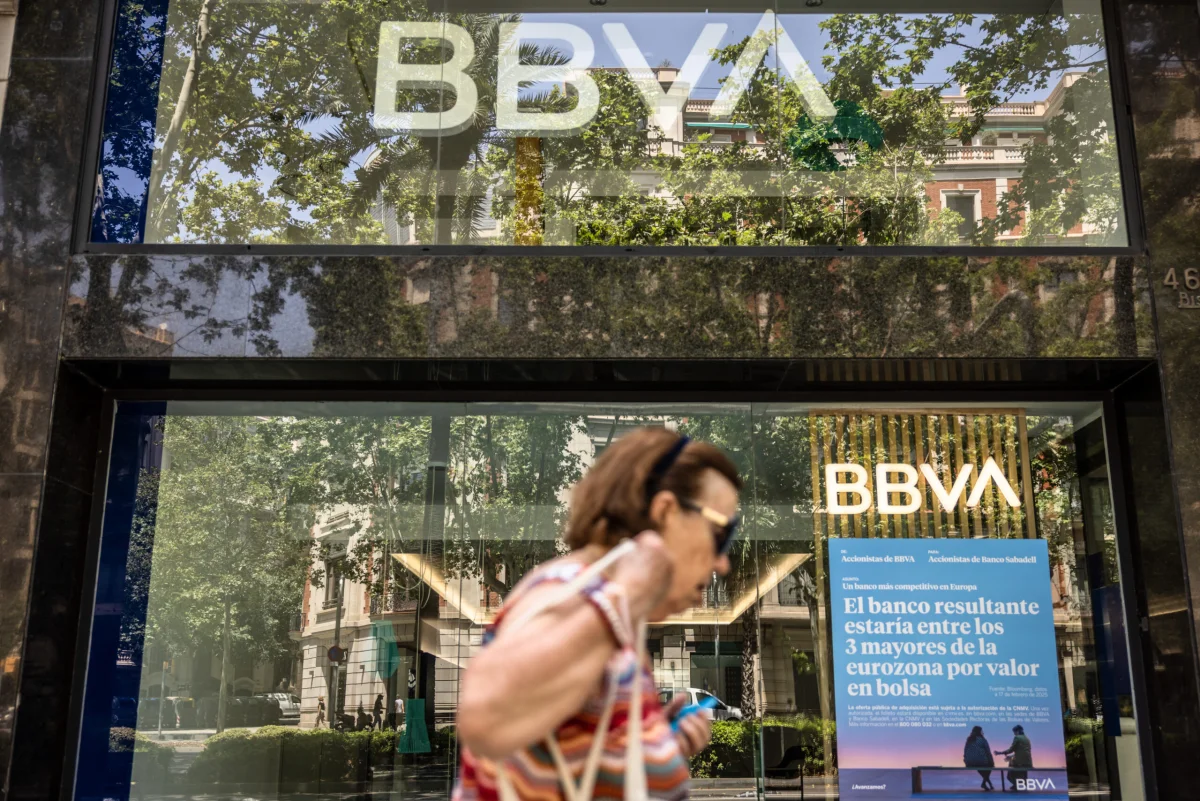
BBVA has asked local risk teams to review lending in markets including Peru, Argentina and Colombia, where the Spanish bank has a significant client base. Its analysis considers El Niño alongside global warming. For customers judged most vulnerable, possible measures include rescheduling debt. BBVA said the data it is generating supports that process and that it plans to share its analysis with clients through its advisory work once the review is ready.
The bank is developing a two-stage approach. First, it will compare historical data from neutral climate conditions with records of the most intense El Niño events. Then it plans to combine seasonal weather models with monthly updates to key variables, creating an early-warning system intended to help clients prepare for extreme weather. BBVA described the work as a test and validation of models for future use, saying the application had not been attempted before.
Risks extend beyond farming
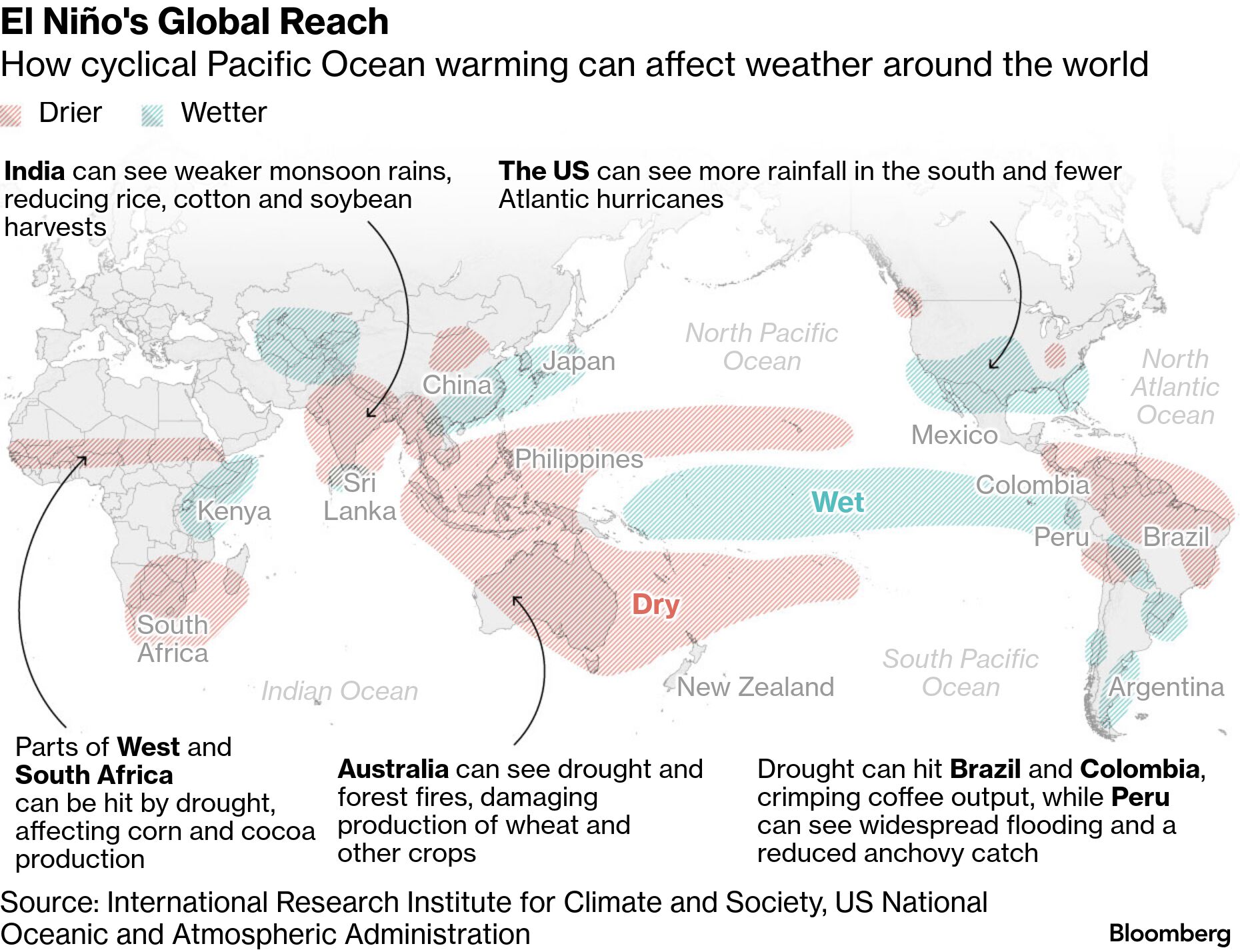
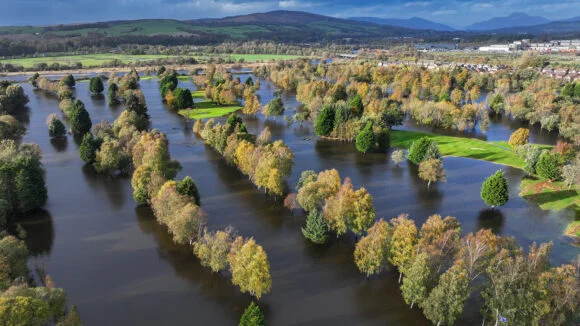
The immediate physical effects include crop-damaging drought and flooding. The World Meteorological Organization has identified heightened risks for Southern Africa and Southeast Asia, while parts of Latin America face exposure to both drought and floods. Those conditions can affect agricultural output and commodity availability, with potential knock-on effects for prices, inflation and trade balances.

Banks are also assessing borrowers whose exposure comes through business connections rather than location. Danske Bank has pointed to shipping and logistics as sectors that can face disruption even when a company is headquartered outside the regions directly affected by El Niño. That broader reach complicates credit reviews: a borrower may depend on suppliers, transport routes or customers exposed to weather shocks elsewhere.
Research from JPMorgan Chase and Citigroup links the climate pattern to risks across agriculture, commodities and energy, as well as the wider economy. Sebastian Werner, Citi’s head of climate risk scenario design, has cautioned that the Oceanic Niño Index, a widely followed measure focused on the central tropical Pacific, does not capture every aspect of the phenomenon. That limitation matters for banks trying to translate climate indicators into borrower-level estimates of default or loss.
Water-intensive businesses are another area of concern. Bloomberg Intelligence analyst Grace Osborne has highlighted the range of El Niño scenarios lenders need to consider, including risks to companies that rely heavily on water. She also sees the possibility of agricultural loan repayment holidays after severe climate events, particularly where insurance protection is limited.
Exposure varies by portfolio
Some lenders have already described the scale of their exposure. Lima-based Credicorp estimated in August that about 9% of its loan book was directly exposed to clients at risk from El Niño’s effects. Banco do Brasil Chief Financial Officer Marco Geovanne Tobias da Silva said that month the bank was “very concerned” and closely monitoring the impacts.
Intercorp Financial Services, one of Peru’s largest financial firms, has introduced special loan clauses for customers in fishing and agriculture. Available measures include grace periods and rescheduling. These tools can give borrowers more time after a shock, though the scale of any resulting credit pressure will depend on the severity and duration of weather impacts.
Standard Chartered is conducting detailed assessments across its client base in Africa, the Middle East and Asia, as well as in the UK. Karen Wilkinson, the bank’s global head of climate, sustainability and reputational risk, said it had analyzed exposures across its corporate and investment banking portfolios and was incorporating the findings into client-level climate assessments. The bank is also monitoring physical threats such as floods, storms and heat stress at key operating sites and data centers.

European lenders face added pressure to report climate exposures under changing disclosure requirements associated with the EU’s Pillar 3 rules. Osborne has said agricultural loan books at BBVA, CaixaBank and Santander are notably exposed to physical risks. Such lending can show credit deterioration faster than property loans, she said, because weather damage may quickly affect production and cash flow.
CaixaBank’s climate risk manager, Julia Lucena, put the portfolio exposure in context: sensitive lending makes up around 60% of the bank’s loans to agriculture, livestock farming and fishing, but those sectors account for less than 1% of total lending. The bank therefore considers its overall physical exposure from those sectors limited. CaixaBank said it tracks climate-sensitive lending across sectors and assesses how weather events may affect credit measures, including the chance of default and losses if default occurs. Lucena said the share of lending considered sensitive to physical climate risks had remained relatively stable since 2022.
Monitoring and borrower support
Santander said its focus is on preparation, readiness and response. Its monitoring includes weekly weather bulletins and monthly El Niño updates, which help teams identify potentially affected areas and review exposure across clients and portfolios. The bank said it can activate contingency and coordination procedures when needed.
These approaches show how lenders are linking climate monitoring to credit decisions and borrower support. The next test will be whether seasonal forecasts provide enough detail to identify vulnerable customers early, while the actual effects on crops, transport and repayment capacity remain uncertain. For banks and borrowers alike, the usefulness of the reviews will depend on how quickly weather signals translate into practical decisions about financing and preparation.