Banking U57
Learjet 60 Plunges Into Florida Neighborhood After Pilot Reports Turbulence
A Learjet 60 descended rapidly near Greenacres after its pilot reported turbulence. Nine people aboard died; investigators are examining the crash.
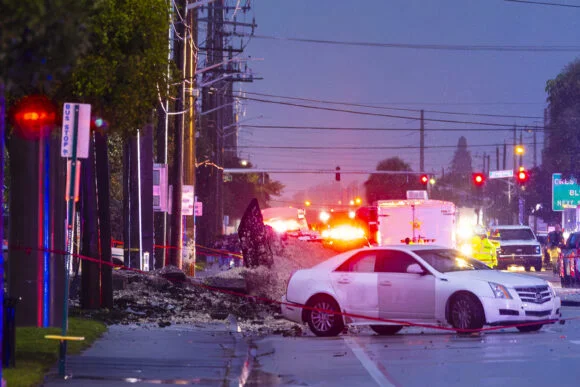
The sharpest clue in the Florida Learjet 60 crash is the gap between the pilot’s first report of a rough ride and the aircraft’s later descent at extreme speed. The sequence is known from flight tracking data and a recording of cockpit communications, but it doesn’t establish what caused the aircraft to lose control. That question remains for investigators.

The jet went down near Cresthaven, just outside Greenacres, at 12:50 p.m. Sunday, killing all nine people aboard. It had left Austin-Bergstrom International Airport in Texas for North Eleuthera Airport in the Bahamas. Flight-tracking data from Flightradar24 indicates the aircraft had been airborne for approximately two hours before its descent began around 12:48 p.m.
A rapid change in the flight
Before the descent, the pilot told air traffic controllers that the aircraft was encountering moderate turbulence and precipitation. She asked for a “better ride.” The jet then began climbing, according to the account of the flight.

The communications recorded online by Liveatc.net capture a sudden escalation. The pilot shouted, “Mayday! Mayday!” and reported that the aircraft was descending at 8,000 feet per minute and accelerating. Moments later, she described an “overspeed condition” and a descent rate of 20,000 feet per minute, warning, “We’re going to crash into the ground!”
Her last reported words were that they were “out of time.” Flightradar24 data shows the vertical rate eventually exceeded 32,000 feet per minute. Those figures describe the aircraft’s movement; by themselves, they don’t explain why its descent accelerated or what happened inside the jet.

Dashboard camera video showed the aircraft dropping at an almost vertical angle before impact and an explosion beside a highway. Florida Governor Ron DeSantis described the scene as looking “like a missile going down” and said it left a large crater beside the road. The video and eyewitness descriptions convey the scale of the final moments, but the cause will have to be established through technical examination and other evidence.
What investigators will need to determine
The Federal Aviation Administration is sending a team to support the National Transportation Safety Board’s investigation. The safety board said it planned a media briefing Monday. No cause is identified in the information available so far, and the turbulence and precipitation reported by the pilot should be treated as part of the timeline rather than a confirmed explanation.

For investigators, the key questions include what preceded the sudden descent, how the aircraft’s systems and controls were functioning, and whether weather or another factor contributed. The cockpit recording, flight-tracking data, aircraft wreckage and any available maintenance records can help build that account. Their significance depends on how the evidence fits together; a steep descent alone does not establish a mechanical failure, a weather-related event or pilot action as the cause.
The distinction matters beyond this flight. A rapid descent can be the result of different underlying events, and early descriptions of a flight are often incomplete. Investigators will need to compare the pilot’s reports with the aircraft’s recorded data and physical evidence before drawing conclusions. Until that work advances, neither the pilot’s mention of turbulence nor the later descent figures settle what happened.
A 22-year-old aircraft type
The Learjet 60 involved was 22 years old. Approximately 300 Learjet 60 aircraft remain in operation, according to the source report. Production of the model stopped in 2013, and Bombardier discontinued the Learjet brand name in 2021.
Those details provide fleet context, but age and production status do not identify a cause. An aircraft’s operating history, maintenance and the condition of its components matter more to a specific inquiry than age alone. The available facts do not say whether this jet had a prior mechanical issue or whether its age played any role.
The crash also has immediate consequences on the ground. The sheriff’s office said about 600 residents were receiving help with temporary shelter and other essential needs. That response reflects the disruption to the surrounding community, while the loss of all nine people aboard remains the central human cost.
The clearest next step is a fuller account from the safety board as it assesses the evidence. For now, the known timeline is stark: a pilot reported moderate turbulence and precipitation, asked for a better ride, then described an accelerating descent that reached more than 32,000 feet per minute before the aircraft struck the ground. The cause, and whether any aircraft, weather or operational factors contributed, remains undetermined.