Markets U2
CFTC Priorities Focus on 24/7 Trading, Tokenized Collateral and Market Access
Michael Selig outlined plans for new trading models, crypto registration, AI surveillance and changes to derivatives rules and capital costs.


The Commodity Futures Trading Commission is reassessing how its rules fit markets that trade around the clock and use new forms of collateral and derivatives. Chairman Michael S. Selig’s priorities span extended hours, perpetual futures, crypto exchange registration, artificial intelligence and the costs that can limit access to hedging.
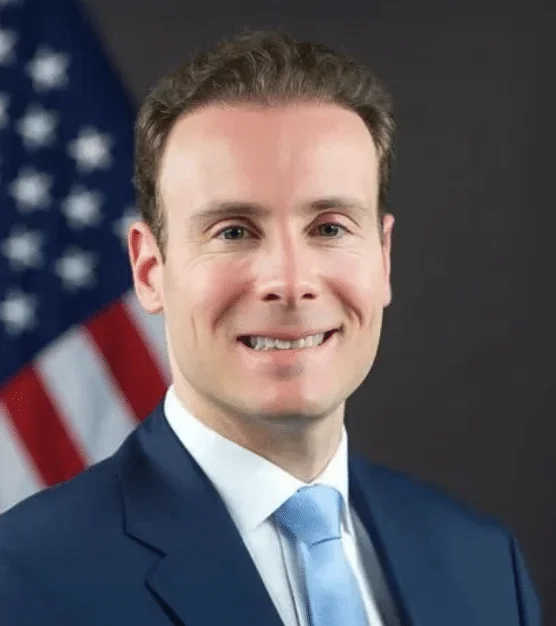
Selig discussed the agenda with SIFMA President and CEO Kenneth E. Bentsen, Jr. at SIFMA’s 2026 Annual Meeting on Tuesday, October 20. His remarks point to a balancing act: adapting rules to new products while preserving protections that have supported derivatives markets.
Trading hours depend on the market
Selig rejected a single approach to continuous trading. The Commission has permitted 24/7 activity in some cryptocurrency products and prediction markets, while energy and agricultural contracts raise different operational and commercial concerns. Commercial participants have questioned longer hours, and the Commission has been working with exchanges and industry firms to address those concerns.
CME withdrew a proposed extended-hours offering for energy products after engaging with the industry, Selig said. He also invoked the episode of negative oil prices during the COVID-19 pandemic as a reminder that extreme conditions can test trading systems. Firms considering round-the-clock trading need to plan for staffing, system readiness and coverage outside conventional market hours.
Some products may require additional rules or changes to existing authority before continuous trading can proceed. Selig said the Commission can delay such products only for so long, leaving firms with a practical reason to assess their operations before trading hours expand.
Reviewing rules and collateral
The Commission is examining parts of the post-financial-crisis framework, including swap data reporting. Selig credited central clearing, reporting and supervision of over-the-counter derivatives with working well, while questioning whether every existing obligation remains justified. He described the aim as a “right-sized approach” and the “minimum effective dose of regulation.” The review could affect how firms meet reporting obligations, although Selig did not specify which requirements might change.
Tokenized collateral could ease a separate constraint: moving assets when banks are closed. Weekend and continuous trading can leave firms holding more collateral than they would during regular hours, Selig said. Stablecoins and other tokenized assets could be transferred outside those hours, potentially helping firms meet margin needs without relying on the same banking timetable.
The CFTC is coordinating with the Securities and Exchange Commission on tokenized securities as collateral in regulated markets. Selig also pointed to smart contracts as a way to automate collateral transfers. The Commission is speaking with software developers to understand blockchain systems and assess whether relief from existing requirements may be needed. The intended benefit, in his view, is more available liquidity and more efficient use of capital.
Perpetual contracts and agency coordination
Perpetual futures, which have no fixed expiration date, and renewed interest in security futures are testing how existing rules apply to newer contract designs. Selig said current statutes provide flexibility and do not require every futures contract to have an expiration date. Depending on their structure, perpetual contracts could qualify as futures or swaps, though some products may warrant additional requirements.
Activity involving CME and firms seeking to list perpetual security futures has sharpened the need for coordination between the CFTC and SEC. Their work includes classifying products, considering cross-margining and resolving questions about which agency’s framework applies. Selig likened the relationship between securities and derivatives rules to a Venn diagram: a product’s structure can determine where it fits.
Crypto registration and AI surveillance
The CFTC is pursuing a federal registration route for eligible cryptocurrency exchanges under its existing authority, after broader crypto market legislation made little progress. The proposed options would let firms register as designated contract markets, or under a proposed crypto asset market category. Existing designated contract markets, futures commission merchants and derivatives clearing organizations could draw on their current infrastructure.
The framework would allow a firm to combine activities within one business, while requiring separate registrations for brokerage, trading and clearing. Selig acknowledged that voluntary registration would leave some exchanges operating under state money transmitter frameworks. He said those frameworks were designed for payments rather than exchanges. Broader legislation, he added, would offer a more durable basis for crypto market supervision.
AI presents another challenge as trading firms and retail participants adopt more sophisticated systems. Asked whether circuit breakers would be enough if autonomous systems contributed to market disruptions, Selig said the Commission is assessing whether existing safeguards need updating. He wants rules that leave room for firms to develop AI driven strategies. The Commission is also building AI tools for surveillance and enforcement, while exchanges and the National Futures Association continue to play a role in market monitoring.
Capital costs and access to hedging
Selig argued that bank capital requirements should track risk without making derivatives services prohibitively expensive for intermediaries or commercial hedgers. The CFTC is discussing Basel III requirements with other financial regulators, including their effect on futures commission merchants and businesses using derivatives to manage risk.
In Selig’s view, capital costs have led some futures commission merchants to pull back from smaller customers, including farmers, ranchers and producers. Those firms may lose access to risk management tools or have to tie up more cash than they otherwise would. That makes the debate about capital rules relevant beyond financial firms: the cost and availability of hedging can reach businesses that depend on derivatives to manage exposure.
Selig’s agenda links market access to technology and operating costs. Tokenized collateral may help address the funding demands of longer trading hours, while AI and perpetual contracts raise questions about surveillance and product classification. The pace of change, and the rules that follow, will shape how firms prepare and which customers can participate.
The image for this article was generated using AI.