Banking U18
Kalshi Co-Founder Luana Lopes Lara Says Founders Can Overthink Startup Odds
Kalshi co-founder Luana Lopes Lara says fixating on a startup’s chances can sap momentum, while her company’s reported $22 billion valuation shows the scale of its growth.
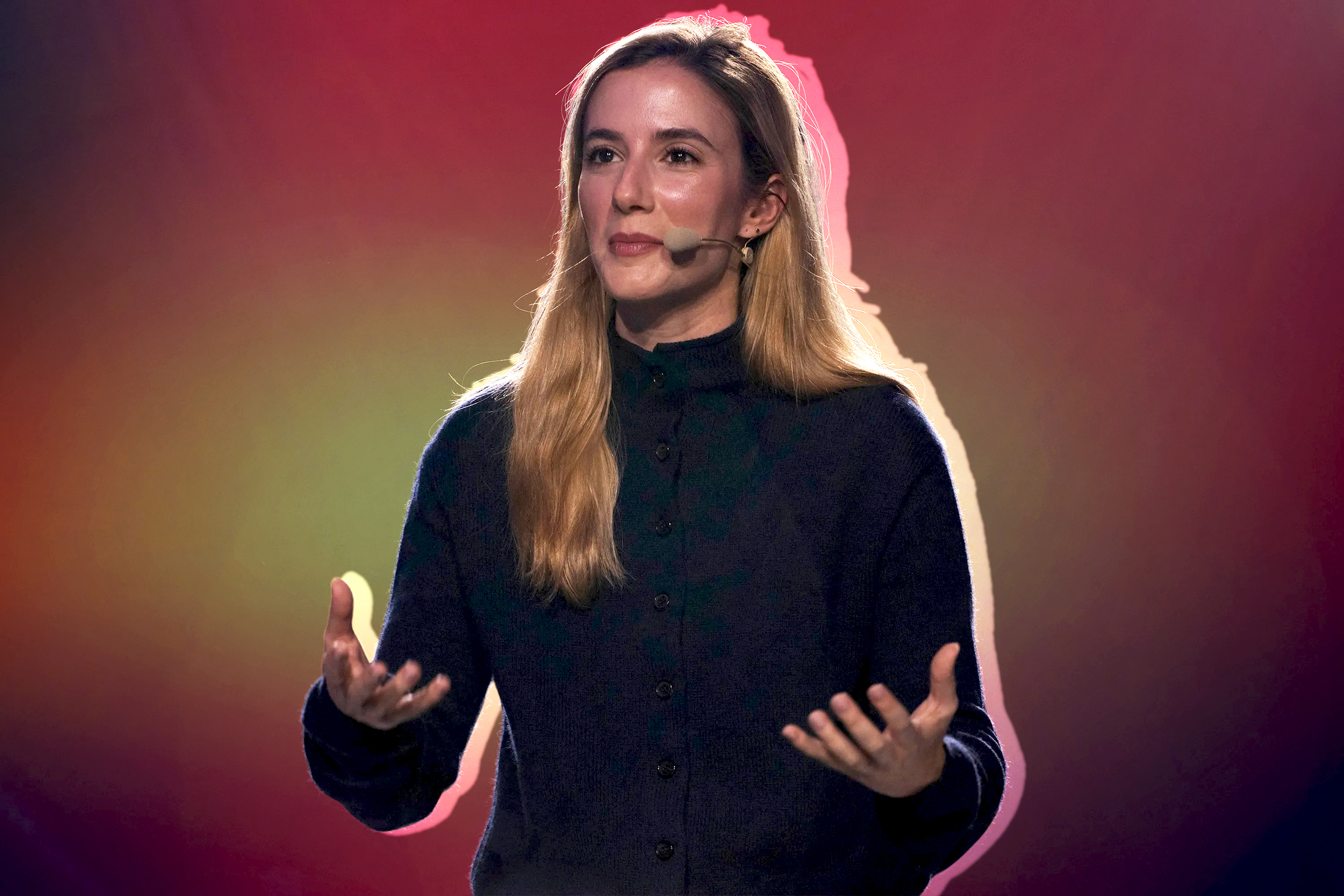
For Kalshi co-founder Luana Lopes Lara, a startup can lose momentum when its people spend too much time calculating whether it will succeed. In a recent podcast interview, she argued that founders and employees can become “obsessed with probabilities,” second-guessing each move until new information feeds a cycle of doubt. Her point comes from a founder whose company is reported to be worth $22 billion.

“You can psych yourself out of doing anything,” Lopes Lara said on Confession with Ali Partovi. She believes taking a risk and trusting that a team can make progress matter alongside analysis. When employees focus only on the odds that a company will work, she said, the result can be a “super negative culture that overreacts to every new information you have.”
That view isn’t a call to ignore evidence. It points to a tension familiar to early stage companies: teams need to assess uncertainty, but constant reassessment can drain the energy required to build. Lopes Lara said companies benefit from having optimistic people who want to create things. The challenge is keeping that confidence connected to the work, rather than letting optimism replace judgment.
From a missing bet to a business idea
Lopes Lara and her co-founder, Tarek Mansour, started Kalshi in 2018 after graduating from MIT. She studied computer science and mathematics; Mansour studied electrical engineering, computer science and mathematics. The two met through shared classes, where Mansour began sitting beside Lopes Lara after noticing that she regularly took a seat at the front.
The idea emerged while Lopes Lara was interning at New York trading firm Five Rings. Online discussion was circulating about whether Kylie Jenner was pregnant. Lopes Lara wanted to make a bet on the claim, but had no place to do it. As she later told Bloomberg, the missing venue led her to consider a broader demand: people had strong views about future events, but lacked a dedicated way to express them through a market.
Kalshi built a platform around that idea. Users can trade yes-or-no contracts tied to future outcomes. The source describes possible subjects ranging from weather and sports to economic data. The company’s premise is that prices in these contracts give participants a way to act on their expectations; the product’s growth, in turn, suggests that the idea reached well beyond the celebrity speculation that first caught Lopes Lara’s attention.
Discipline, uncertainty and company culture
Before MIT and financial markets, Lopes Lara trained in ballet at Brazil’s Bolshoi Theater School. As a teenager, she attended technical school in the morning and ballet training from afternoon into the evening. She has described the environment as intensely competitive, with some students allegedly hiding glass fragments in rivals’ shoes. That experience offers a glimpse of the discipline behind her career, though her advice to founders is less about enduring competition than about not letting risk calculations prevent action.
“Since I was very little, I wanted to do big things,” she said in an episode of Confession with Ali Partovi. Now 30, Lopes Lara is described as the world’s youngest self-made female billionaire. Forbes puts her net worth at $2.6 billion. That figure reflects an estimate of her wealth, while Kalshi’s reported company valuation is a separate measure; neither figure alone explains how much value the business can sustain over time.
The distinction matters because a company valuation is not the same as cash available to its founders or employees. It can change with financing terms, investor appetite and expectations about future growth. Kalshi is reported to be worth $22 billion, and a separate report has described the company as pursuing further funding at a higher valuation. Those numbers indicate strong demand for the business, but they also leave open how durable that demand will be as the platform expands.
The question behind the valuation
Kalshi’s growth rests on a marketplace that needs people willing to take opposing positions and trust that contracts will settle as expected. It also depends on users finding enough relevant events and trading activity to make the service useful. That creates a practical test for the company: whether interest in the concept can translate into lasting participation across the wide range of outcomes it aims to cover.
For founders, Lopes Lara’s warning has a similarly practical edge. A team that treats every uncertainty as a reason to pause may struggle to make decisions or keep people engaged. But an optimistic culture still needs to respond to evidence and changing conditions. Her own story links an early observation—a bet she couldn’t place—to a company built around future outcomes. The takeaway is that conviction can start a business; sustained execution will determine how far the idea travels.