Banking U17
Abigail Morris Builds a Historic-Home Design Business Toward $168,000
After a 2024 layoff, Abigail Morris focused her Chicago design studio on historic properties and expects about $100,000 in take-home pay this year.
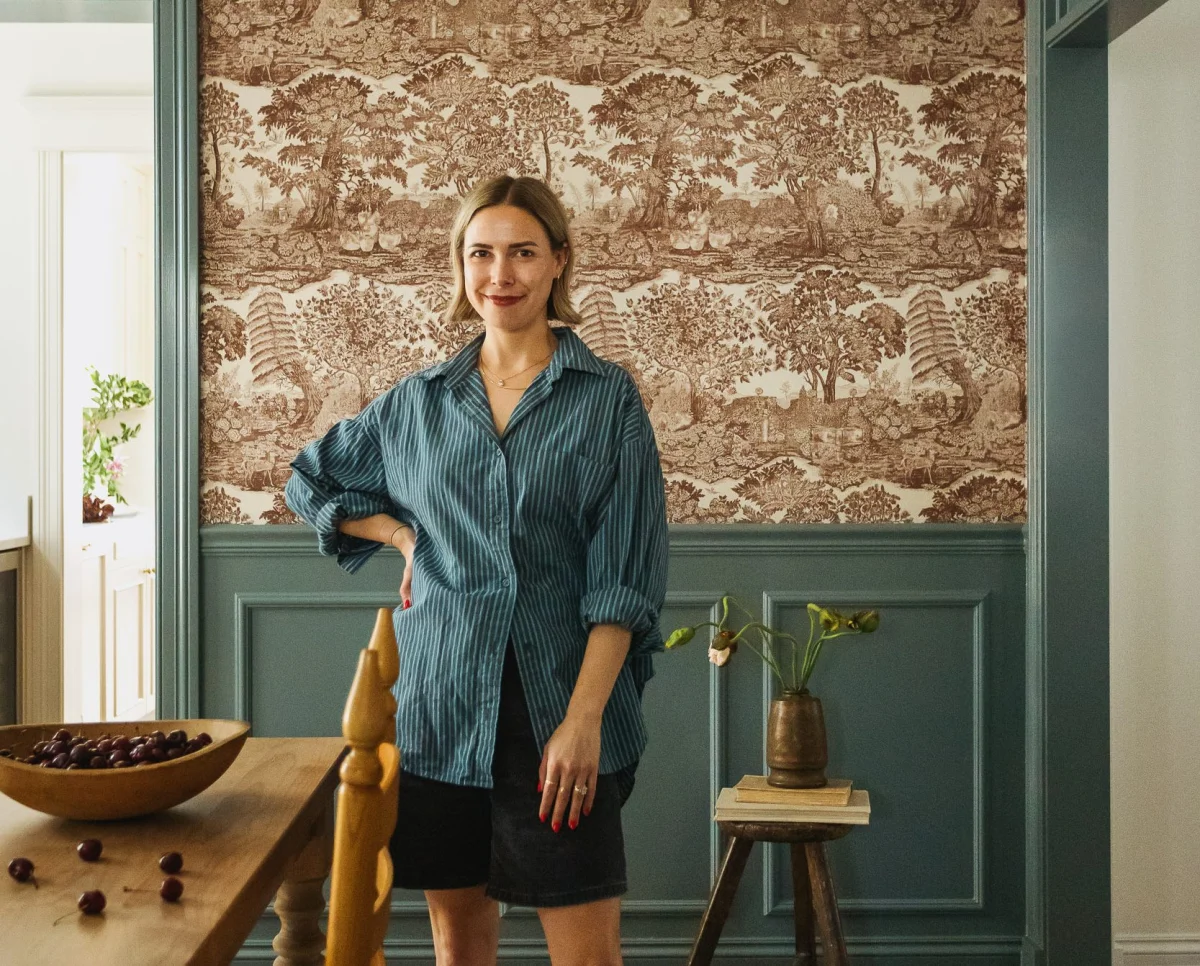
Abigail Morris’s design studio is on track for about $168,000 this year, with an expected $100,000 in take-home pay. The Chicago business has grown from a side project into a full-time practice focused on historic homes and commercial properties. Morris credits a growing portfolio, client referrals and a clear specialty; she’s also preparing to hire as the work expands.

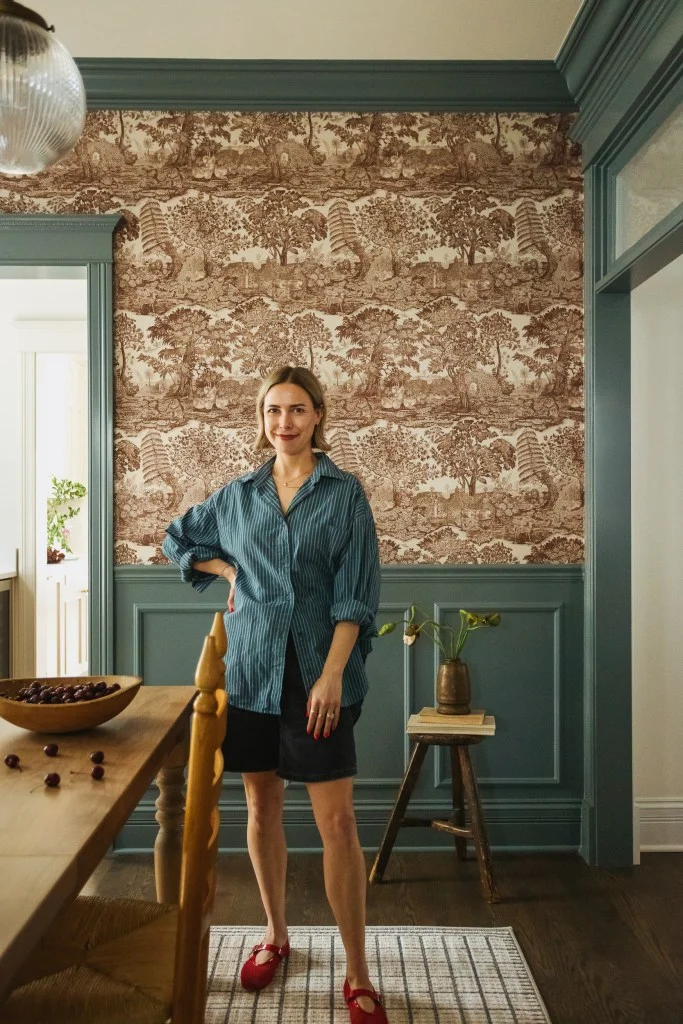
Morris spent about 10 years in corporate technology before pursuing design professionally. The interest had been there for years: she was drawn to colors, fabrics and the details that shape a room, but a conventional business education and a stable career initially seemed like the safer route. During the pandemic, she reconsidered that path and enrolled in interior design classes at The Art Institute of Chicago, where she earned a certificate.
In 2022, she began promoting her services through an interior design Instagram account while keeping her corporate job. The account made it clear she was available for work, but maintaining a salary gave her a cushion while she tested the business. She was interested in design; the decision to depend on it for income took longer.
A specialty takes shape
That changed near the end of 2024, when Morris was laid off. She then committed to the studio and concentrated on historic residential and commercial properties, a focus tied to her appreciation for their detailing and craftsmanship. Her own 1889 Chicago row home became an early portfolio project: she completed updates before the layoff and had the space photographed.
The photos helped attract the studio’s first clients, several of whom owned historic homes. That initial fit gave Morris a recognizable niche and led to more inquiries in Chicago. Requests now also come from elsewhere in the Midwest and the West Coast. More recently, owners of newer homes have approached her for rooms with the character and layered feel associated with older properties.
That broadening demand suggests the appeal of historic design can extend beyond the buildings themselves. Clients may want a sense of age and character even when their homes are new, giving Morris a way to apply her design approach to a wider range of projects.
Preservation shapes the work
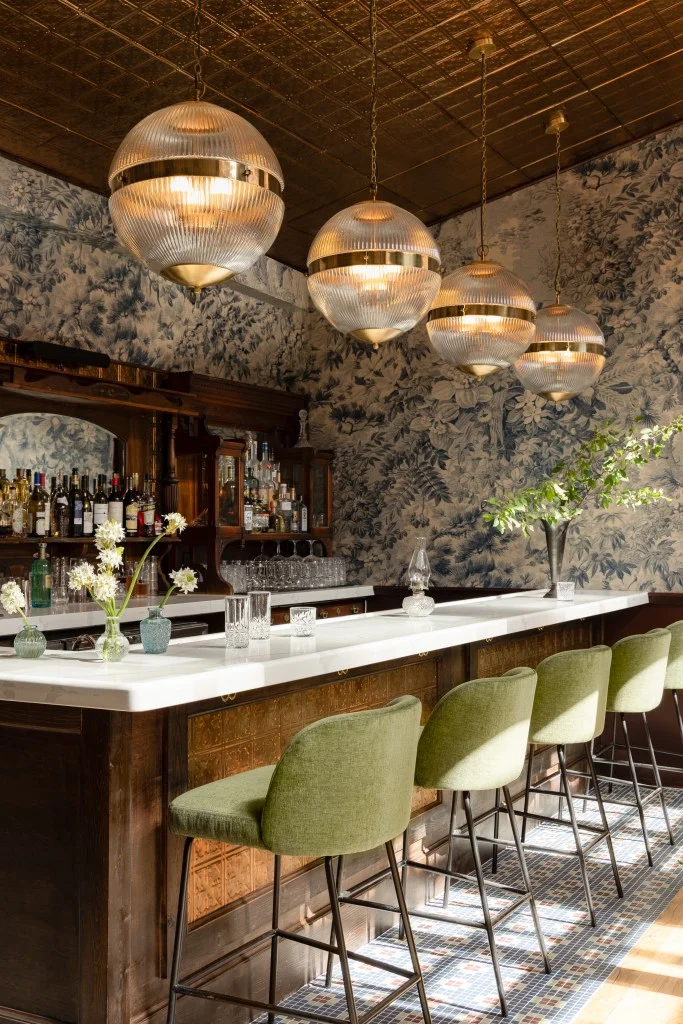
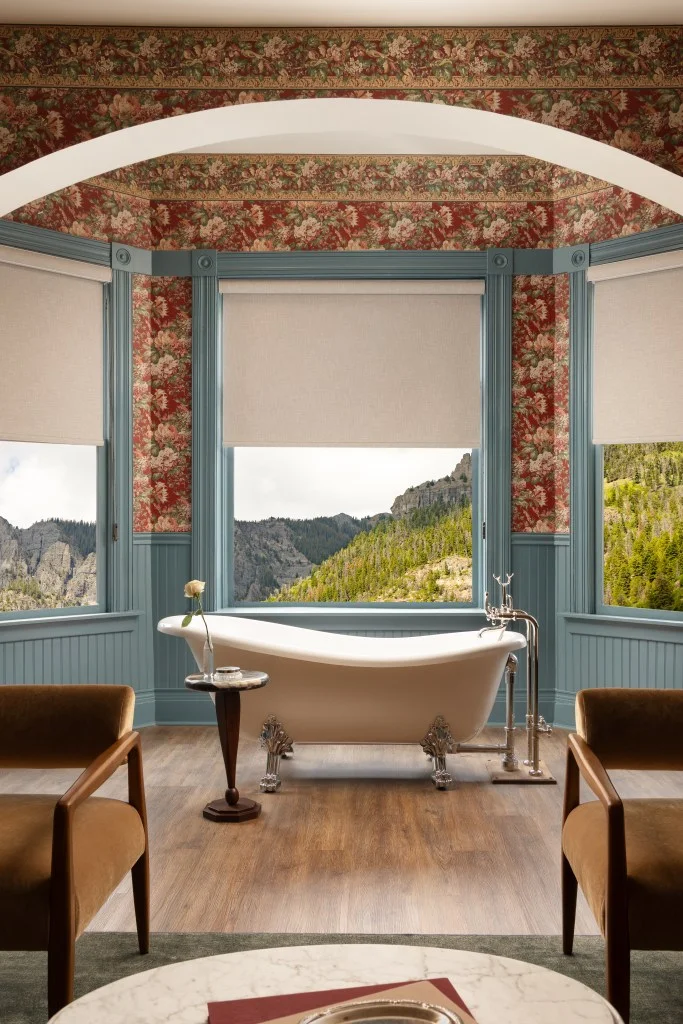
Historic projects ask for a different kind of judgment than a full redesign. Morris says the first question is often what can stay, rather than what can be replaced. At the St. Elmo Hotel in Ouray, Colorado, she and the project team retained as much of the existing wallpaper as possible, left the wainscoting in place and repaired features to restore their appearance.
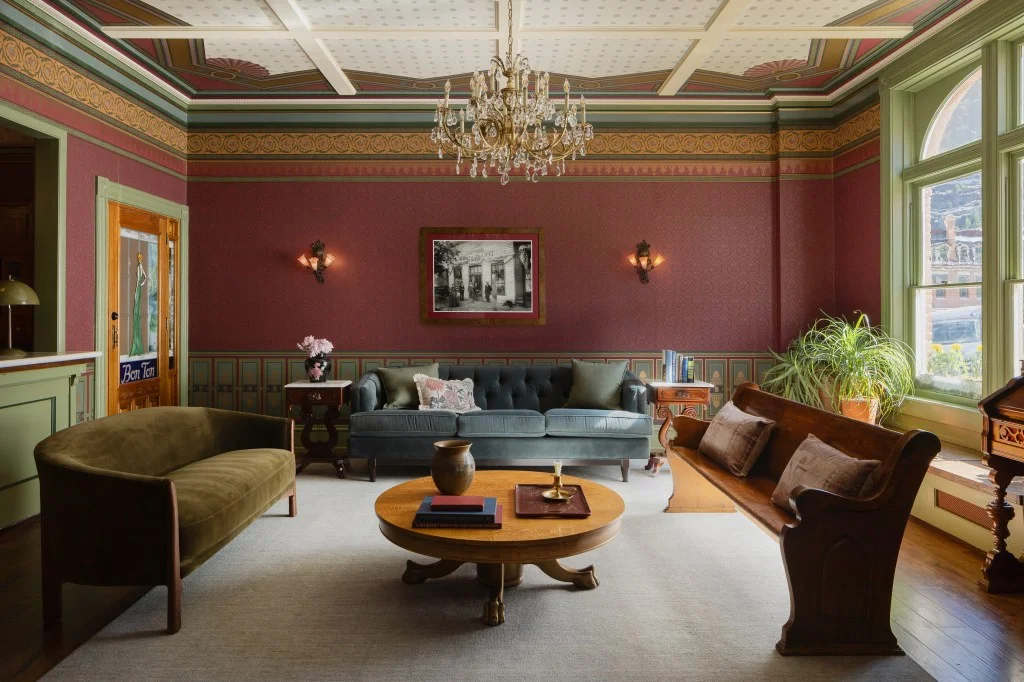
The hotel project paired that preservation work with updated comforts. The owner and hospitality group wanted to highlight original features while bringing the building into the present. Morris’s earlier experience at a hotel on the National Register of Historic Places helped connect her to the assignment.
For a design business, this approach also defines the service being sold. The work involves making choices within the constraints of an existing structure, weighing repairs and preservation against changes that improve how people use a space. Morris describes that process as editing before making major design decisions. The finished result depends on what a building already has as much as on what a designer adds.
Income and reinvestment
The studio’s financial progress reflects both the transition from part-time work and the costs of building a visible design practice. Morris took home around $48,000 during her first year in business, while continuing to work full-time and learning through experience. She reinvested significantly, including in project photography and support from a stylist and videographer.
This year, she expects the business to bring in about $168,000 and her take-home pay to reach around $100,000. She plans to put the balance back into the studio, including spending on public relations and photography. Those figures describe different parts of the business: the $168,000 is the year’s expected business total, while the $100,000 is Morris’s projected take-home pay. The source does not give a breakdown of operating costs.
Hiring is the next step in managing the workload. Morris says she has too many roles to balance design delivery with business growth and the client experience she wants to provide. She already works with a certified public accountant and a bookkeeper, and had an intern over the summer. She is interviewing candidates and sees a need for help with purchasing, technical drawings and other assistant work.
Those hires could give Morris more room to focus on design and client relationships, but they also add staff costs to a business that is reinvesting a substantial share of its income. The choice is part of the studio’s next stage: building capacity while keeping the quality of its projects and service consistent.
AI as tool and client influence
Morris uses Claude and ChatGPT for some back-office work, such as organizing notes taken on an iPad at job sites. She’s also seeing clients arrive with AI-generated room concepts and ask how to make them work in their homes. The images can help people express what they want, but they don’t establish that a design can be built as shown. A proposed layout may be structurally impractical, or it may feature furniture that isn’t available.
That gap creates a practical role for a designer: translating a visual idea into choices that fit the building and can be sourced and installed. Morris welcomes wider access to design tools, while emphasizing that clients need help understanding their limits.
She expects the growing presence of AI and technology to increase interest in handcraft and visible signs of human work. Morris draws a parallel with the U.S. arts and crafts revival that followed the Industrial Revolution, when mass-produced goods prompted renewed appreciation for well-made objects. In her view, homeowners are again seeking pieces with character and a sense of the maker’s hand.
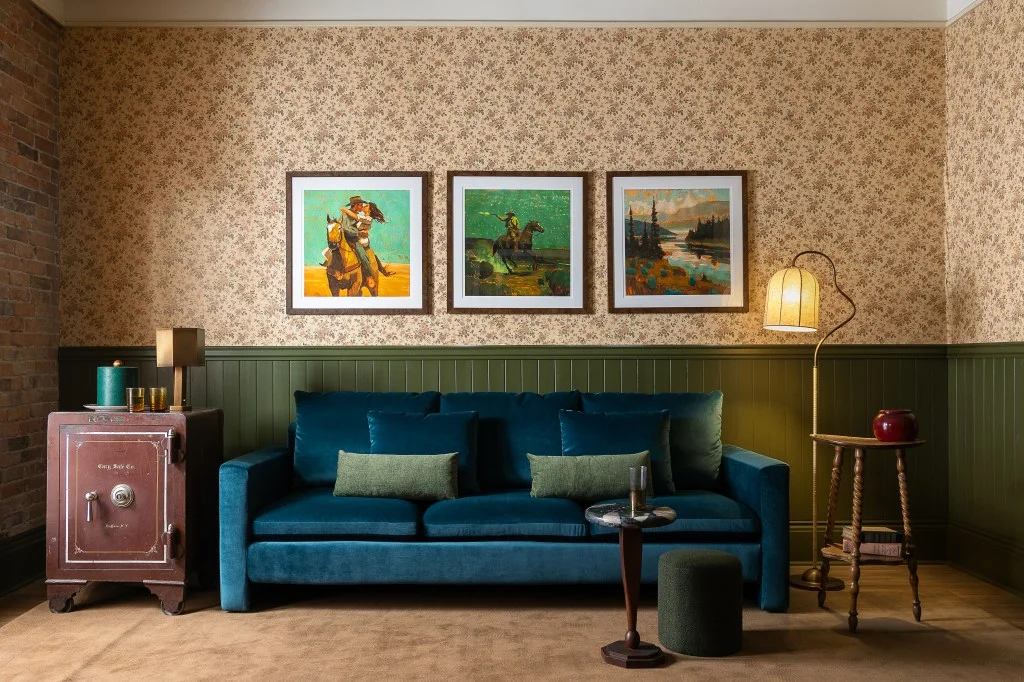
For Morris, that preference connects directly to the studio’s historic focus: preserve what gives a place character, then add comfort without erasing its identity. The business’s next test is whether strategic hiring and continued investment can support a wider client base while keeping that approach at the center of the work.