Investing U54
Snap Settlement Removes Another Social Media Addiction Case From Trial
Snap is finalizing a confidential deal with two teen plaintiffs, while thousands of similar cases remain and an earlier $6 million verdict offers a benchmark.
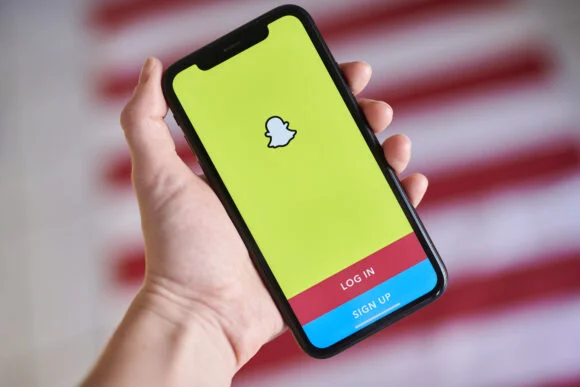
Snap Inc. is finalizing a settlement with two teenagers who say their use of Snapchat and other social media contributed to serious mental health problems. The deal, reached during jury selection in Los Angeles, takes another closely watched case out of the trial process. Its financial terms haven’t been disclosed, leaving the broader litigation without a clear measure of what Snap may pay.

The agreement also changes the immediate path for thousands of claims brought by young users and their families. Early trials were intended to test the evidence and arguments on both sides, giving lawyers information that could shape discussions over the remaining cases. With this case resolved before jurors heard evidence, that process will have one fewer data point.
Two plaintiffs, multiple platforms
The combined cases involve S.J., a 16-year-old girl from Illinois, and K.D.B., an 18-year-old woman from Mississippi. Both allege that heavy use of Snapchat and other social media contributed to depression, anxiety and eating disorders. Their claims are allegations; the companies deny that their platforms caused the harms described.

The teenagers had already reached confidential settlements with Meta Platforms Inc., TikTok and Google’s YouTube. Snap is now finalizing its own agreement with them, according to the plaintiffs’ attorneys. The terms of the new deal weren’t made public, and Snap hadn’t immediately responded to a request for comment.
John Morgan and Emily Jeffcott, attorneys for one of the teenagers, said the settlements support their effort to hold social media companies accountable for effects on children. That statement describes the plaintiffs’ position; it doesn’t establish the terms or scope of Snap’s agreement. Without disclosed figures, the settlement can’t be compared directly with other resolutions or used to estimate the potential cost of the remaining claims.

The companies have disputed the allegations and pointed to tools and resources for parents of teens using their services. They have also emphasized positive experiences users can have online. The dispute therefore reaches beyond the amount of any individual settlement: it concerns whether platform design contributed to the plaintiffs’ conditions and what evidence can support that link.
Why the earlier verdict matters
The first bellwether case went to trial earlier this year against Meta and Alphabet Inc.’s Google. A 20-year-old woman received $6 million after a jury found the companies negligent in the design and operation of their platforms and concluded they should have warned that their products could harm young users. Snap and TikTok settled with her before that trial.

That verdict is a concrete reference point for the wider litigation, but it doesn’t set a standard payment for other plaintiffs. Claims differ, and the result in one case can’t establish what another jury would find or what parties might agree to pay. The Snap settlement adds to a pattern of companies resolving individual claims, while leaving the terms private and the larger disputes unresolved.
S.J. and K.D.B.’s cases were selected from the broader group to serve as bellwethers. Such cases are chosen to provide an early view of how claims, evidence and defenses may fare when tested before a jury. Lawyers can use those results to assess the strengths and weaknesses of their positions and to inform talks about other cases. A settlement reached before the trial begins provides less public evidence about how this pair of claims might have been assessed.
What remains at issue
Mark Lanier, trial counsel for the plaintiffs, argued that families shouldn’t have to seek jury trials to address a problem of this scale. He called for lasting changes to platform design that protect children, rather than individual fixes, and said the plaintiffs would continue trying cases. His comments set out the plaintiffs’ broader aim, though the terms disclosed so far don’t show that Snap has agreed to make design changes.
The distinction matters to families, users and companies facing similar claims. A confidential payment can resolve a dispute between the parties, but it offers little public detail about how they valued the allegations or whether the agreement includes commitments beyond payment. For companies, the claims also raise questions about product design and the resources offered to parents. For users and families, the litigation keeps attention on alleged links between platform use and mental health, while the companies maintain that those allegations are unfounded.
The next useful signals will come from further trials, settlements with disclosed terms, or other public details about how the remaining claims are handled. The earlier $6 million award shows that a jury can assign a substantial amount in one case, while Snap’s undisclosed deal shows how limited the public picture remains when parties settle privately. For now, the settlement removes one case from the trial calendar but leaves the wider dispute—and the questions about platform design and alleged harm to young users—open.