Investing U52
Harvard Admissions Data Case Dismissed on Procedural Grounds
A judge dismissed a request for Harvard admissions records, citing missing procedural steps. The decision leaves open whether agencies can renew the demand.
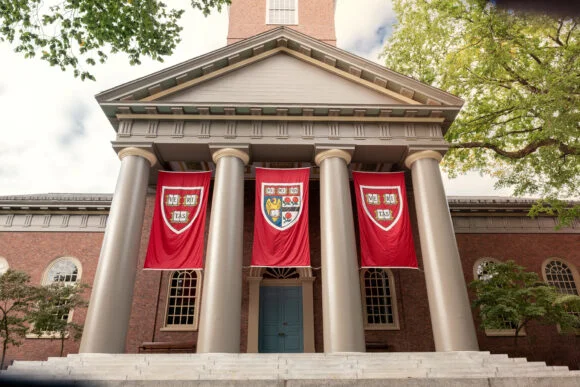
The dismissal of a case seeking Harvard’s admissions records turns on how the request was pursued, not on whether the university must eventually provide the data. That distinction leaves the underlying dispute unresolved: agencies may seek a renewed case after taking additional steps, while the ruling does not decide whether Harvard’s admissions process complied with applicable requirements.

US District Judge Myong Joun in Boston dismissed the Justice Department’s suit on Monday. The department had asked the court to require Harvard to provide records for an inquiry into whether the university still considers race in admissions. Harvard argued that the department had not completed the steps required to seek voluntary compliance before filing suit. Joun agreed.
His decision focused on what the complaint said the department had done. Joun wrote that it did not allege the department had told Harvard what action it would take if the university declined to comply: litigation. Nor, he said, did the complaint describe the specific failure at issue. Those omissions were enough to dismiss this case, without resolving the broader questions about the requested records or Harvard’s practices.

That limit matters for both sides. Harvard has won a procedural ruling, but the department could pursue a similar case if it completes further administrative steps. The judge also left open whether the Justice Department and Education Department can ultimately obtain information covering thousands of applicants. The decision therefore changes the immediate path of the dispute without settling its destination.
What the records request sought to establish
The Justice Department filed the case before Joun in February. It argued that Harvard was not cooperating with inquiries into whether its admissions practices comply with a 2023 Supreme Court ruling involving the university’s use of race-conscious admissions programs. The department said it needed years of applicant-level data to determine whether race remained a factor in admissions and whether Harvard was meeting Title VI requirements.

That request puts a large volume of sensitive applicant information at the center of the dispute. The case, as described in the complaint, was intended to secure records that could help assess admissions decisions over multiple years. But Joun’s ruling did not assess the requested data, establish whether it must be disclosed, or determine whether the university had used race in a way the department could challenge.
Harvard’s lawyers offered a different account of why the case was filed. They said it was retaliation for the university’s refusal to accept demands for changes to its governance, hiring and academic programs. They also pointed to President Donald Trump’s early February statement that he was ending settlement discussions and wanted $1 billion in damages from Harvard, which he said had “been, for a long time, behaving very badly.” Those claims describe Harvard’s position; the dismissal did not decide them.

Enrollment data adds context, not a ruling
Harvard released figures last week showing Black undergraduate enrollment fell for a third consecutive year after the 2023 ruling on race-conscious admissions. The share was 9.3% in the class of 2030, down from 11.5% in the class of 2029. Those figures offer a measure of how enrollment has changed, but they do not by themselves answer the question in the case: whether race remained a factor in individual admissions decisions.
The distinction is important when interpreting aggregate enrollment statistics. A change in the share of students in a group can show an outcome, while an inquiry into decision-making asks how applications were evaluated. The requested applicant-level records were meant to help examine that process. Joun did not decide whether the data would answer the department’s questions or whether Harvard would have to turn it over.
A broader dispute remains unsettled
Harvard has also obtained rulings from other judges against efforts to terminate more than $2 billion in grants, prevent the university from hosting international students, and sue it over alleged failures to protect Jewish and Israeli students from harassment. Those separate outcomes show that the admissions records case sits within a wider conflict between the university and the Trump administration. They do not determine what happens if the department renews this particular request.
The immediate takeaway is procedural: the department’s complaint did not establish that it had taken all the required steps to obtain Harvard’s voluntary cooperation. A renewed effort would need to address the omissions Joun identified. Whether that happens, what information is sought, and whether Harvard must provide it remain open questions. For now, the ruling leaves both the university’s admissions practices and the agencies’ access to applicant records undecided.