Economy U64
Clark’s AI Clerks Take on Audit Tasks as the Company Raises $11 Million
Clark’s Clerks handle document review, testing and workpapers, while CPAs retain professional judgments. The company says it has raised $11 million.

Clark is positioning its new AI Clerks as persistent members of an audit team: they work through assigned tasks, follow up on missing client documents and resume when information arrives. The launch comes alongside an $11 million seed round, giving the New York City-based accounting and assurance platform $16 million in total funding.
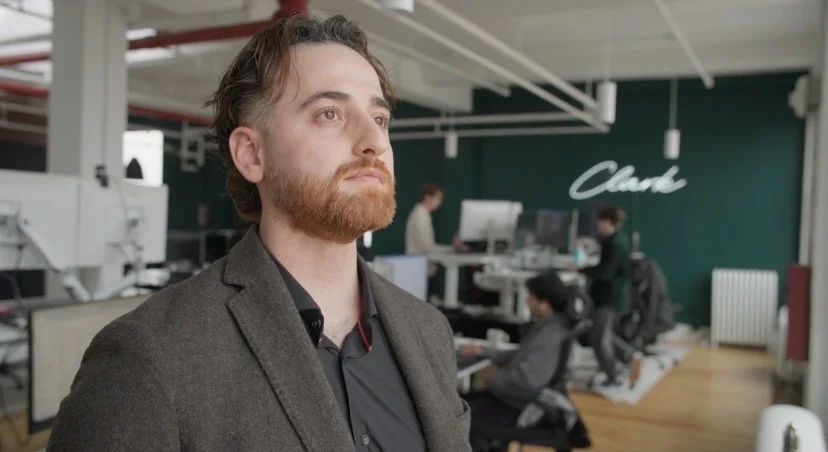
The financing was announced Nov. 2 and led by Touring Capital, with returning investors Marathon Management Partners, Rerail and Sofeon Ventures also participating. Marathon led a $5 million round in September 2025. Clark says it will use the new capital to expand its senior team in product, engineering and sales, bring Clerks to more firms and engagement types, and develop the system toward more autonomous audit work.

Work continues between auditor reviews
Clark assigns each Clerk to an engagement in a role resembling that of a staff auditor. The software reviews documents, performs tests and prepares workpapers. When evidence is missing, it requests the material from the client and tracks the response, then resumes the task when the information arrives without needing another prompt from a person.

That workflow targets a familiar source of friction in audit work: progress often depends on documents moving between a firm and its client. Clark’s model aims to keep tasks advancing during the gaps between auditor reviews, including when documents arrive outside normal working hours. The practical value will depend on how well Clerks handle varied client records and follow each firm’s review process.

The system runs on Material Intelligence, Clark’s AI operating system. The company describes it as a combination of an agent harness, document processing and a layered memory system modeled on human memory. The aim is to carry engagement context from one task to another, so the Clerk can pick up work after a delay and account for earlier information and review notes.

Clark says Clerks work within a firm’s existing audit program, checklists and templates. The company also says they can log in to the systems a firm already uses, instead of requiring a new integration to be built first. That approach could reduce setup work for firms, though each firm’s tools and procedures will shape how the software fits into day-to-day engagements.

Evidence and professional review remain central
Clark draws a distinction between routine progress updates and issues that need an auditor’s attention. It says routine work can proceed quietly, while items requiring review are escalated with supporting evidence attached. The company also says calculations run as code rather than being handled inside the language model, and that each figure is cited to the exact place it came from in a source document.
Those controls matter because audit work must be traceable: a reviewer needs to understand how a figure was derived and which evidence supports it. Clark says licensed CPAs continue to make professional judgments, review the work and sign the opinion. Clerks, as described by the company, take on supporting tasks while human auditors retain responsibility for those decisions.
Clark says it offers a 100% accuracy guarantee and a peer review guarantee, arguing that software providers should accept responsibility when their AI contributes to professional work. The source does not detail the terms or limits of either guarantee. For firms assessing the product, the scope of those commitments—and how they apply when a Clerk’s work needs correction—will be important alongside the stated accuracy controls.

In a LinkedIn post, Clark says the software is designed to act without waiting for a person to initiate each step, follow the firm’s own templates, and learn from review notes. The company also contrasts its calculation method with AI tools that perform arithmetic within a language model, emphasizing source citations for each figure.

From periodic checks toward continuous monitoring
Clark founder and CEO Enes Witwit framed the launch around the timing of assurance work. “For as long as people have kept accounts, someone has had to check them. Today that checking happens once a year, long after the decisions it was meant to inform,” he said in a statement on Nov. 2. He said Clerks stay on engagements, pursue missing information and keep work moving between auditor reviews.
Witwit also described a longer-term ambition: moving toward audit employees that can operate more autonomously and checking claims closer to when activity occurs. Clark is working on continuous monitoring that would keep findings current between audits, with each finding stating what it covers and when it was last checked. The company says the goal is to give firms a view of what is true now, alongside the year-end picture.
That shift would change the timing of assurance, but the source provides no deployment schedule or detail on how continuous monitoring will be implemented. For now, Clark measures success by the time auditors spend less on chasing documents and more on questions that call for their judgment.
Touring Capital co-founder and general partner Priya Saiprasad said AI could expand what accounting firms accomplish while maintaining trust. She described Clerks’ ability to coordinate with clients and act when new information arrives as the basis for a different operating model for assurance. Whether that model earns firms’ trust will rest on the quality of the evidence trail, the usefulness of its escalations and the clarity of CPA oversight.

Clark, formerly known as uiAgent, plans to extend Clerks to more firms and engagement types and to build toward greater autonomy. Its launch therefore combines a defined near-term role—document review, testing, follow-up and workpaper preparation—with a broader ambition to keep assurance work current between periodic audits. More information is available from Clark.